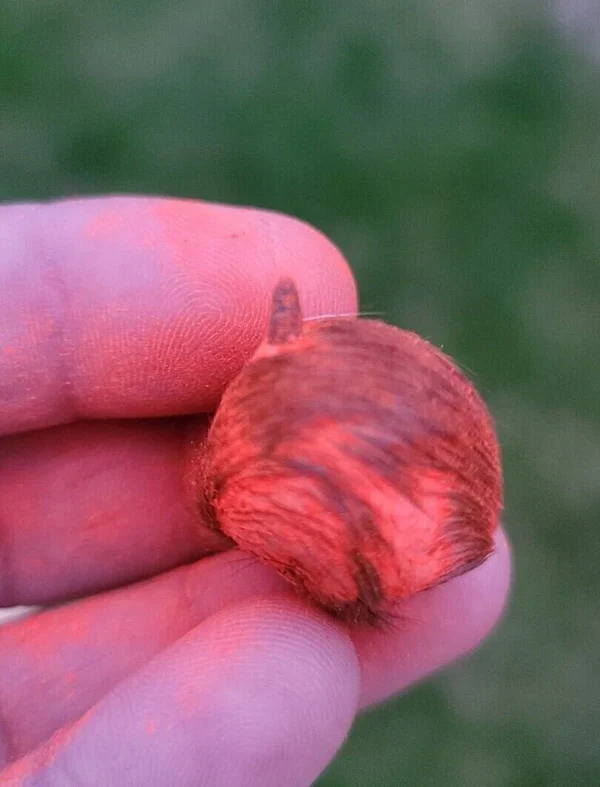
Gidar Singhi or Siyar Singhi is a mystical object widely known in Indian spiritual and folk traditions. It is associated with prosperity, protection, and attraction of positive energies. The words “Gidar” or “Siyar” both refer to a jackal, and “Singhi” means horn. Together, the term refers to a rare, horn-like growth believed to be found on the head of certain jackals.
In spiritual and tantric traditions, Gidar Singhi is considered a powerful and sacred object used for rituals, prosperity, and protection from negative forces.
What Is Gidar Singhi?
Gidar Singhi is traditionally described as:
- A small, horn-like or root-shaped object.
- Covered with fine hair or fibrous strands.
- Dark brown, black, or reddish in color.
- Kept inside a small box, cloth, or silver container.
In folklore, it is believed to grow naturally on the head of a rare jackal, although such claims are not scientifically verified. Many objects sold as Gidar Singhi are actually plant roots or natural formations shaped and prepared to resemble the traditional description.
Traditional Beliefs and Spiritual Significance
In various tantric and folk traditions, Gidar Singhi is believed to have powerful mystical properties. It is often associated with:
1. Attraction of Wealth
It is considered a symbol of prosperity and financial growth. Many people keep it in their cash box, locker, or place of business to attract money.
2. Protection from Negative Energies
Gidar Singhi is believed to:
- Protect against evil eye.
- Remove negative vibrations.
- Guard against harmful intentions.
3. Success in Business and Career
Traders and business owners sometimes keep it in their shops or offices with the belief that it:
- Attracts customers.
- Improves financial stability.
- Brings success in deals.
4. Spiritual and Tantric Use
In some tantric practices, it is used in rituals meant for:
- Wealth attraction.
- Removing obstacles.
- Strengthening spiritual energy.
How It Is Traditionally Kept
According to common beliefs:
- It is wrapped in red or yellow cloth.
- Stored in a silver, copper, or wooden box.
- Placed in:
- Home temple
- Cash locker
- Business premises
Some traditions suggest placing it on Diwali, Dhanteras, or auspicious days after performing a small prayer.
Rituals and Worship Practices
In spiritual traditions, the following practices are sometimes associated with Gidar Singhi:
- Cleaning it with:
- Ganga jal (holy water)
- Milk or saffron water
- Offering:
- Incense
- Flowers
- Kumkum or sandalwood paste
- Chanting prosperity mantras or prayers.
These rituals are believed to energize the object with positive vibrations.
Cultural and Folklore Background
Gidar Singhi is mostly found in:
- North Indian folk traditions
- Tantric practices
- Rural and tribal belief systems
Stories about it have been passed down through generations, often linked to mystical powers, rare animals, and secret rituals.
Authenticity and Legal Considerations
It is important to note:
- There is no scientific evidence supporting supernatural powers of Gidar Singhi.
- Many items sold in markets are artificial or plant-based substitutes.
- The hunting or harming of wildlife, including jackals, is illegal under wildlife protection laws in many countries, including India.
Ethical and legal awareness is essential when discussing or purchasing such items.
Who Keeps Gidar Singhi?
Traditionally, it is kept by:
- Business owners
- Shopkeepers
- Traders
- People seeking financial stability
- Followers of tantric or spiritual practices