💚💰 Panna Stone Price — Extremely Big & Detailed Description
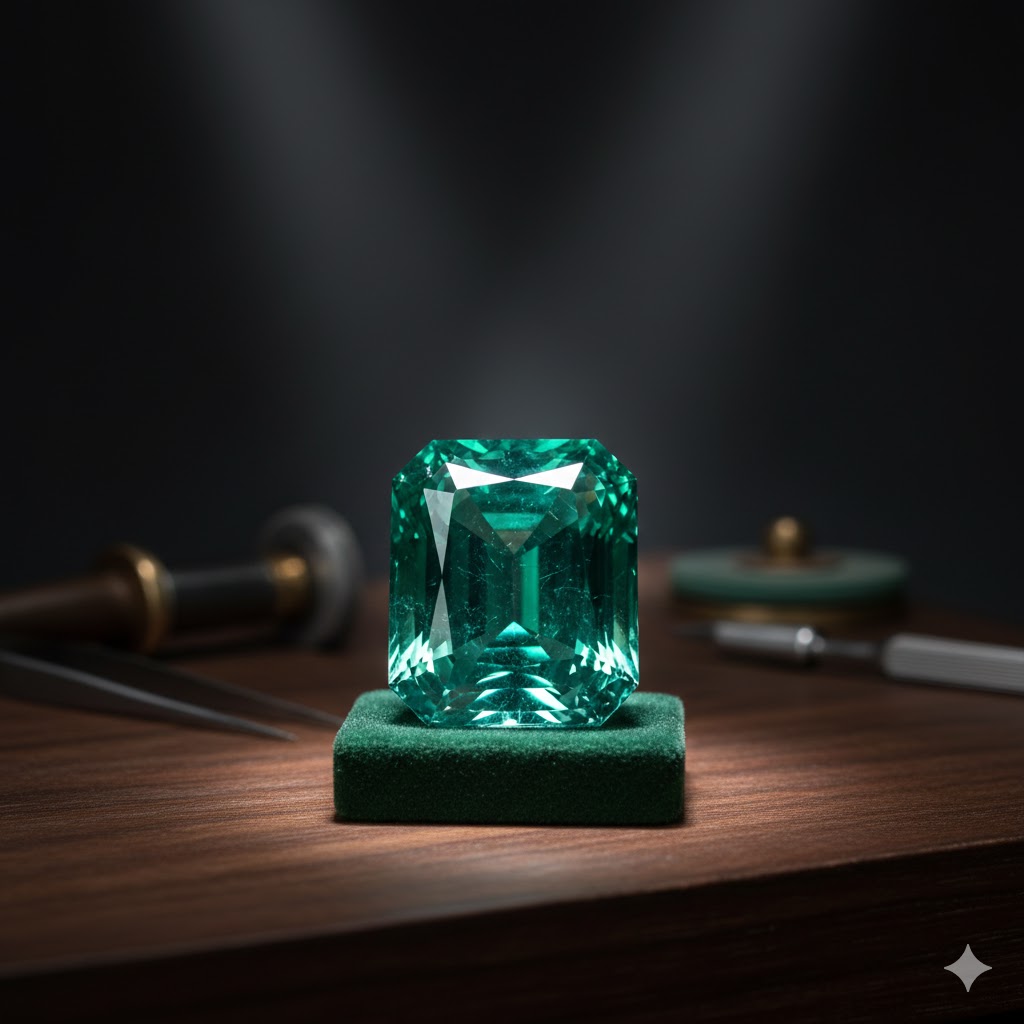
The Panna stone, also known as Emerald, is one of the most precious and sought-after gemstones in the world. Its deep, vibrant green color, astrological significance, and rarity make it a highly valued gemstone in the global market. Understanding the Panna stone price requires knowledge of its quality, origin, clarity, carat weight, and treatment, as all these factors contribute to its market value.
Whether you are buying for jewelry, astrology, investment, or spiritual purposes, knowing the pricing details of Panna stone helps you make an informed and confident purchase.
🌍 Factors Affecting Panna Stone Price
The price of a Panna stone is determined by multiple critical factors, each of which plays a significant role in defining its market value.
1️⃣ Color
The color of Panna stone is the most important factor influencing its price. High-quality Panna stones exhibit:
- Deep bluish-green hue (most valuable)
- Medium, vibrant green (moderately priced)
- Light green or pale green (lower price)
Evenness and saturation of color across the gemstone significantly increase its price. Stones with uneven or patchy green color are less expensive.
2️⃣ Clarity
Panna stones naturally contain inclusions, called jardin (French for garden), which are tiny internal features.
- High clarity stones (minimal inclusions) → highest price
- Medium clarity stones (visible inclusions but not affecting beauty) → moderate price
- Low clarity stones (many inclusions, cloudy) → lower price
Clarity is especially important for large stones or stones used in fine jewelry, as clean emeralds are extremely rare.
3️⃣ Carat Weight
The size of the Panna stone, measured in carats, dramatically affects the price:
- Small stones (0.5–1 carat) → affordable and ideal for rings or pendants
- Medium stones (1–5 carats) → high demand, moderately expensive
- Large stones (5+ carats) → extremely rare and expensive
Price per carat increases exponentially as carat weight increases due to rarity and market demand.
4️⃣ Cut & Shape
The cut of a Panna stone determines its brilliance, sparkle, and overall aesthetic appeal. Common cuts include:
- Emerald cut (classic and most popular)
- Oval, round, pear, cushion
- Cabochon (used for spiritual or raw purposes)
Well-cut stones are priced higher because they maximize color, brilliance, and symmetry.
5️⃣ Origin
The geographical origin of a Panna stone also affects its price:
- Colombian emeralds → rich, vivid green, premium price
- Zambian emeralds → deep bluish-green, slightly lower than Colombian but durable and high clarity
- Brazilian emeralds → lighter green, affordable, moderately priced
- Afghanistan/Pakistan → unique stones, rare, can be high-priced depending on quality
Certified origin often increases market value, especially for collectors and jewelry buyers.
6️⃣ Treatments & Enhancements
Most Panna stones undergo minor oil or resin treatments to improve clarity:
- Untreated stones → rare and highly priced
- Light oil treatment → common, moderate price
- Resin-treated stones → lower price, still visually appealing
Ethical sellers disclose treatment status, which is crucial for pricing transparency.
7️⃣ Certification
Having a certified gemstone report from labs like GIA, IGI, or Gemfields can significantly affect the price:
- Certified stones → higher trust and value
- Non-certified stones → lower price due to risk
Certification also ensures authenticity, origin, and treatment disclosure.
